
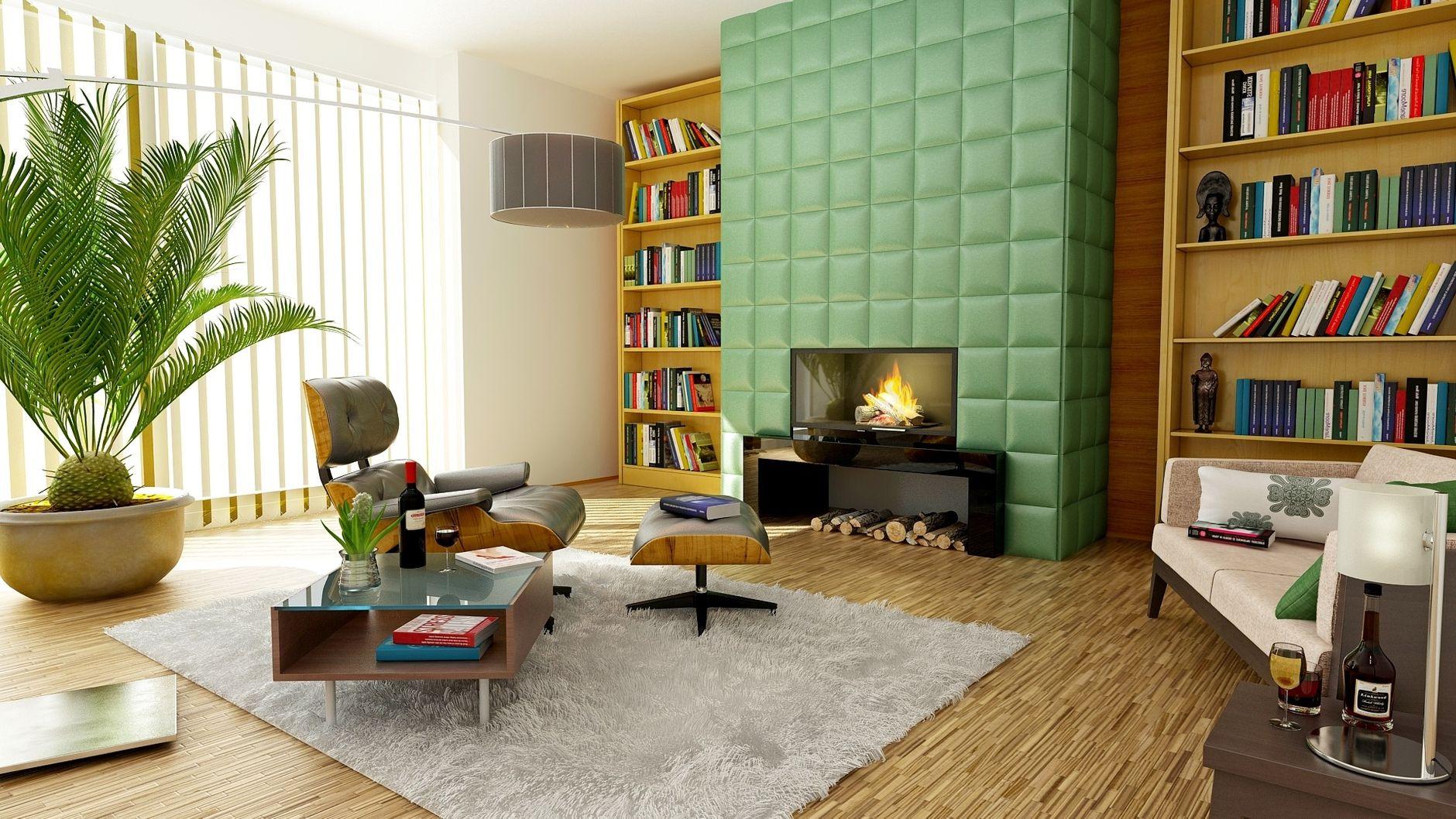
Fireplace and Chimney Work Across Orange and Orange County
Period parlors, ranch dens, tract great rooms
Each town page describes its housing, the fireplaces typical of those streets and the weather a chimney there has to stand.
Old Towne and the Plaza
Orange
Old Towne, on the National Register as a district from 1997 on, rings the 1888 Plaza, and there we draw mantels and tile to suit a period parlor. Citywide, 64% of homes predate 1980, so firebox and flue get checked before fresh facing goes on.
County seat with Floral Park
Santa Ana
Floral Park's period revival living rooms, 1920s and 1930s work, were composed around the hearth, so tile, plaster and mantel profile get matched to the house. Citywide 13% of homes predate 1950, and brick that old is inspected before it is dressed.
Christ Cathedral's old farm country
Garden Grove
Rural until after 1933, the city has only 4% of its homes from before 1950, so its hearths postdate the Long Beach earthquake. Plain mid-century brick like that is a willing canvas for a stone or plaster face, a slimmer mantel or a gas insert.
Oil town with old Olinda
Brea
Oil paid the bills when Brea incorporated in 1917, yet most housing is newer than the 1950s. Gas and factory-built units warm the stucco homes of Olinda Ranch and La Floresta, so remodeling there means a surround, mantel and hearth sized to the listed unit, never a rebuilt firebox.
Below Ladyface Mountain
Agoura Hills
Owners hold 82% of the homes, and a house from the suburb's 1960s to 1980s growth may still wear its first fireplace face. We redraw it in stacked stone, smooth plaster or large tile and reset the mantel height to suit the room.
San Gabriel Valley's gateway city
Alhambra
A Craftsman wants a broad wood mantel over tile, a Spanish Colonial Revival house a plaster hood or arched opening, and the older neighborhoods have both. Their site-built brick stacks, 1920s to 1940s work, get a mortar and crack check before any design begins.
Old Rancho Santa Anita land
Arcadia
Gas logs were often fitted later into the brick and block chimneys of the 1950s and 1960s, leaving a wide masonry face that can look dated. We reface in stone, tile or plaster, or set a gas insert into the old opening for a cleaner line.
Pioneer Boulevard and Little India
Artesia
Stucco is the usual wall and 68% of homes are single-family detached, with a post-war brick or block firebox, often running gas logs now. A new surround in tile or cast stone, with a proper mantel shelf, gives that box some presence in the room.
Catalina's harbor and Casino town
Avalon
Catalina tile is the local signature, bright and colorful on historic homes and public buildings, and a fireplace surround is a natural place for it. With 52% of homes predating 1950, we survey the old masonry before setting any new tile or mantel.
Mouth of San Gabriel Canyon
Azusa
Ranch tracts built after World War II share the streets with homes from the 1970s on, where a factory-built metal fireplace sits inside a framed chase. That framing lets us rework the whole wall face: new surround, mantel and hearth around the listed firebox.
Along Big Dalton Wash
Baldwin Park
In a small single-story ranch house the fireplace wall can be the main surface in the living room, so proportion matters. We scale the mantel and surround to a modest room and, where a 1950s or 1960s brick or block box runs gas logs, suggest a fitted insert.
Dense city incorporated 1927
Bell
A fireplace update in Bell is often a landlord's decision, with only 26% of homes owner-occupied. Site-built brick chimneys in the 1920s to 1940s houses are prone to mortar wear and quake cracking, and we settle that before any tile or plaster reface.
Florence and Garfield avenue corridors
Bell Gardens
Subdivided farmland of the 1930s, settled in small homes by families that included Dust Bowl migrants, is the housing here, and only 21% of it is owner-occupied. A small living room wants a fireplace in scale: shallow mantel, flush hearth, a surround that does not crowd the wall.
West of the San Gabriel River
Bellflower
The 1950s and 1960s left brick or block chimneys here, a good many now holding gas logs. With 71% of homes built before 1980, we expect dated brick fronts, and a new facing with a re-proportioned mantel changes the room without touching the flue.
The Flats and Trousdale Estates
Beverly Hills
In the Flats, homes from the 1920s and 1930s call for carved stone, plaster and period tile around the firebox. Trousdale Estates, a 1950s and 1960s development, asks for the opposite: long low hearths, plain stone slabs and often no mantel at all.
About 350 foothill housing units
Bradbury
With no large tract subdivisions, each fireplace is its own case: 1950s or 1960s brick or block in one house, a factory-built metal unit in a framed chase in the next. We design to the house in front of us, not to a template.
Film, aviation and the Rancho
Burbank
A Burbank house is likely 1930s to 1950s work, part of the heavy building that film and aviation set off, and its brick chimney, laid on site, sheds mortar and cracks in quakes. We repair it, then choose tile, a painted wood mantel or plaster to suit the era.
Near the Leonis Adobe
Calabasas
The fireplace is rarely an antique here: 38% of housing is pre-1980 and a bare 1% pre-1950. In Calabasas Park, The Oaks and Mulwood the design questions are about finish: stone, plaster or tile, a mantel in proportion, cleaner lines.
Rocketdyne's old Valley neighborhood
Canoga Park
Most houses here date to the 1950s and 1960s, when tracts spread over the Valley; brick or block was the chimney of choice, and gas logs often followed. A ranch house of that age suits a simple slab mantel, fresh tile or a painted brick finish.
Old Dominguez rancho land
Carson
Tract homes on former Dominguez rancho land dominate, and 77% were built before 1980. Owner occupancy runs high for the South Bay, and a plain tract fireplace gives those owners room to choose: tile, stone veneer, a floating mantel or a gas insert.
Master-planned former dairy land
Cerritos
Dairy land became master-planned tracts across the 1960s and 1970s, which is why 83% of homes predate 1980. In a two-story stucco house, a full-height stone face or a taller surround can give the fireplace wall the scale the room asks for.
City of Trees and PhDs
Claremont
Take Foothill Boulevard as the line: north of it, the 1950s to 1970s laid down ranch tracts, commonly with brick or block chimneys and often with gas logs added since. With 75% of homes built before 1980, a remodel here starts with old masonry and ends with new proportions.
Rosewood and Bandini pockets
Commerce
Homes here come in small pockets, with Rosewood and Bandini two of them, and 31% predate 1950. An older fireplace in a house like that is worth keeping: we mend the brick and give it a tiled surround and a mantel in keeping with its age.
Along Compton Creek
Compton
The older sections are bungalows and pre-war homes whose site-built brick chimneys suffer mortar wear and crack in quakes. A bungalow hearth deserves period treatment, with matte tile and a square-shouldered wood mantel, once the brick itself is sound.
Covina Park and Covina Bowl
Covina
Covina Bowl opened in 1955, a Googie landmark from the same years as most of the houses. Ranch homes of the 1950s and 1960s suit a mid-century treatment: a long hearth, stacked brick or stone, a thin mantel line. 76% of homes predate 1980.
Narrow, deep Cudahy lots
Cudahy
Deep and narrow is the Cudahy lot, a shape inherited from small farm plots, and the front house often shares it with added units; 14% of homes are owner-occupied. Where an original fireplace survives up front, we keep its scale modest: tile surround, slim mantel, sound brick behind.
Harry Culver's 1913 town
Culver City
A 1920s bungalow, the kind these neighborhoods grew up on, looks right with tile to the floor and a plain wood mantel. We restore that look or, in the older tract homes of Carlson Park and Sunkist Park, simplify it.
By Tonner Canyon
Diamond Bar
Framed chases with factory-built metal fireplaces are what homes from the 1970s onward tend to have, and 50% of the housing here predates 1980. Around a listed unit we change what shows: stone or tile surround, a mantel with real depth, a hearth slab that suits the floor.
Stonewood Center and a 1953 McDonald's
Downey
The oldest standing McDonald's opened here in 1953, and 83% of the housing predates 1980. That means brick or block fireplaces, many burning gas logs, with room for a mid-century refresh in stacked tile, pale stone or a clean plaster face.
Route 66 on Huntington Drive
Duarte
Citrus groves gave way to single-story ranch homes between the 1950s and 1970s, commonly with a brick or block chimney and often with gas logs added. A low ranch room suits a horizontal composition: a long hearth, a slim mantel and a facing that runs wall to wall.
Santa Fe Trail's end
El Monte
Small houses with site-built brick chimneys are the legacy of the 1920s to 1940s, the decades Gay's Lion Farm was open here. Mortar wear and quake cracks come first on those; then a compact tiled surround and a mantel scaled to a small front room.
Beach grid west of Sepulveda
El Segundo
West of Sepulveda the grid holds post-war homes and small bungalows, though single-family detached units come to only 38% of the total. In a bungalow we favor a tiled surround with a simple painted mantel; in a condo, a clean gas insert framed in stone.
The old Berry Capital
Gardena
Strawberry farms came first, tract homes after World War II, and the older streets still show their small bungalows. For a bungalow we keep the hearth modest and tiled; a tract-era fireplace often suits a new face and a longer mantel.
Grand Central Air Terminal's city
Glendale
The 1920s grew Glendale fast and left three fireplace languages: half-timber and stone for a Tudor, wood and tile for a Craftsman, plaster and arch for Spanish Colonial Revival. We work in that language, and with 29% of homes predating 1950, old brick is checked before anything else.
Pride of the Foothills
Glendora
Near the Village, homes from the 1900s and the 1920s recall the citrus town, and their fireplaces reward careful restoration: period tile, a fitting mantel, repointed brick. A post-war house, its chimney brick or block, takes a lighter modern reface.
About one square mile
Hawaiian Gardens
The whole city is about one square mile, small homes and apartments throughout, so a fireplace has to earn its wall. We keep surrounds slim and mantels shallow, and for the brick or block chimneys of the 1950s and 1960s, often on gas logs, a fitted insert tidies the opening.
SpaceX's South Bay home
Hawthorne
Just 27% of homes are single-family detached and 27% owner-occupied, so fireplace work here spans rental units and post-war houses alike. In the houses, a 1950s or 1960s chimney of brick or block, gas logs in many, takes a new tile face and mantel well.
The Lighthouse Cafe's beach city
Hermosa Beach
Among newer homes stand beach cottages, the oldest from the early 1900s and the latest from the 1940s, with brick chimneys worn at the mortar and open to quake cracks. A cottage hearth wants beach-house restraint: painted brick, a driftwood-toned mantel, hand-glazed tile.
Gated ranch-style private city
Hidden Hills
The ranch-style plan, from about 1950, is landscape architect A.E. Hanson's. A masonry chimney is usual on the older ranch houses, though newer custom homes took the place of many, so we draw both ways: a restored brick hearth under a timber mantel, or stone around a new unit.
Pacific Boulevard's streetcar suburb
Huntington Park
Streetcars shaped this suburb between the 1910s and the 1940s, and its older blocks are Spanish Revival cottages and stucco bungalows, both small. A fireplace in one usually means a brick masonry chimney and a surround worth restoring in period tile with a plaster or wood mantel.
Puente Valley's industrial corridor
Industry
Honestly, there is little housing here: about 40 units in a city strung beside the Union Pacific rail line and the 60 Freeway. For the few detached houses, we treat a fireplace as we would anywhere: sound masonry first, then surround, mantel and hearth in proportion.
Centinela Adobe to Intuit Dome
Inglewood
Two eras of fireplace came with the heavy building in this 1880s townsite, 1920s and post-World War II. In a house older than the 1960s the flue is typically brick masonry, and each era wants its own surround: glazed tile and wood for the 1920s, long brick for postwar.
Gravel quarries and Sriracha plant
Irwindale
Most of Irwindale is quarry, industry and open recreation land, and the detached houses are few, set in scattered pockets. Fireplaces are factory-built in some and older masonry in others; either can take a new surround and mantel once we confirm what is behind the wall.
Flintridge estates and Descanso Gardens
La Canada Flintridge
Older Flintridge streets show period Spanish, Monterey and traditional estates, where a fireplace earns hand-troweled plaster, old-world tile or a carved limestone surround. The larger lots took ranch houses and custom hillside homes, 1950s and 1960s designs that lean the other way, toward long stone hearths and plain lines.
Puente Hills custom-home country
La Habra Heights
Fireplaces are common here and used in earnest. Ask which households heat mainly with wood and 1.4 percent say so, unusually high for Los Angeles County; on the older custom homes, likely masonry, we pair a working firebox or insert with stone, timber and a hearth deep enough to use.
La Mirada Theatre's ranch-house city
La Mirada
Ranch-style stucco and wood is the La Mirada house, a brick masonry fireplace typical in its postwar tracts, and just 3% of homes predate 1950. That fireplace suits a mid-century update: stacked stone, a floating mantel or a linear gas insert.
Old Rancho La Puente land
La Puente
The rancho behind the city's name was William Workman and John Rowland's; what stands now is postwar single-story stucco on modest lots, 67% of it detached. A tract fireplace of that kind takes a new face readily: tile to the ceiling, or a plaster surround with one strong mantel line.
Old Lordsburg on D Street
La Verne
Lordsburg was the founding name, late 1880s, of this citrus town with its Brethren college. Near Old Town the early bungalows may carry brick chimneys; factory-built fireplaces are the frequent find in later homes, and for those we design the surround and mantel around the listed unit.
Home of the Lakewood Plan
Lakewood
Lakewood's tract models were not all given a fireplace. In the ones that were, the stack is block or brick of the house's own age, set in a small one-story room, and it rewards a careful reface: slim brick or tile, a low mantel, nothing oversized.
Musical Road desert suburb
Lancaster
Once a railroad stop, Lancaster did most of its growing between the 1980s and the 2000s, in stucco and tile, and those tract fireplaces are a blank slate for stone, plaster or a new mantel. A masonry chimney is possible on an aerospace-era house of the 1950s or 1960s.
South Bay, off the 405
Lawndale
Lawndale lots are narrow, shared out among duplexes, apartments and postwar houses of modest size, with 57% of units detached. An older house with a fireplace typically means a brick chimney, and a small room is flattered by a slim tiled surround under a short, well-placed mantel.
Below the Palos Verdes Peninsula
Lomita
Farmland first, then housing built largely between the 1940s and the 1970s: ranch houses, modest and single-story, with apartments and condos among them. A ranch hearth here reads well in long, low lines, say a raised slab hearth, painted brick and one clean mantel shelf.
Port city of adobe ranchos
Long Beach
Three building waves give us three hearth styles to draw: early 1900s Craftsman in tile and oak, 1920s Spanish Revival in plaster, and the big postwar tracts of the east side. Structure gets read first, because 1933 left many older brick chimneys damaged or rebuilt.
Carroll Avenue to Union Station
Los Angeles
Angelino Heights has its Victorian parlors along Carroll Avenue, West Adams its period rooms, and the Historic Preservation Overlay Zones their Craftsman and Spanish Revival streets: each sets its own rules for tile, mantel and proportion. We design to the era of the house, and 70% of homes predate 1980.
Plaza Mexico and Imperial Highway
Lynwood
With 45% of homes dating from before 1950, a fireplace here is likely as old as the room around it. We treat that as an asset: original brick repaired and kept, tile matched or replaced in kind, a mantel sized to the wall.
Beach and canyon coastline
Malibu
When a Malibu house is rebuilt, the fireplace is commonly a modern gas unit rather than wood-burning masonry, which frees the design: a long flame set in plaster, stone or board-formed concrete. Masonry chimneys may remain on older beach and canyon houses, and those we restore with a lighter hand.
Tree Section and East Manhattan
Manhattan Beach
Narrow lots that once held cottages now mostly carry big multi-story houses; the Tree Section and East Manhattan, postwar in origin, have seen many homes enlarged or rebuilt. Tall rooms ask for a fireplace wall with height: full-rise stone, slab surround, mantel optional.
Small, dense and built out
Maywood
Maywood is close to fully built out: new houses are few, 31% of homes are owner-occupied, and the older brick chimneys stay in service. Our work is restoration in a small frame: repointed firebrick, fresh tile, a mantel that does not crowd a compact front room.
Old Town on Myrtle Avenue
Monrovia
A child of the 1880s boom, the city still shows its Victorian and Craftsman fronts near Old Town, with period homes on the streets north of Foothill Boulevard. Those fireplaces deserve their original grammar: art tile, quarter-sawn oak, brick laid and pointed as it was.
Montebello Hills oil-boom suburb
Montebello
First farmland, next an oil boom that began after 1917, finally a suburb: bungalows stayed in the older areas and brick masonry chimneys came with the postwar streets. We give a bungalow hearth tile and wood, and a postwar one a calmer face in stone or smooth plaster.
Hills above Garvey Avenue
Monterey Park
The 1910s and 1920s started the building and the years after World War II carried it up the hills, leaving 79% of today's homes with a pre-1980 date. For a hillside living room we keep the fireplace wall quiet: low hearth, pale stone, a thin mantel line.
Former dairy land, 1950s tracts
Norwalk
Dairy and farm land turned to tracts mainly in the 1950s, leaving one-story stucco ranch houses, 68% owner-occupied. A ranch fireplace is the one piece of architecture in the room, and a new surround, hearth and mantel change the whole space.
Antelope Valley high desert
Palmdale
Masonry is the exception here, a possibility on ranch houses from the 1950s and 1960s. Pre-1980 homes come to just 19%, so what the mantel usually frames is a factory-built unit on a metal flue, with stone, plaster or tile sized to its listing.
Malaga Cove's Olmsted plan
Palos Verdes Estates
This is an Olmsted Brothers plan, drawn from the 1920s on for Frank Vanderlip's peninsula project, and the Palos Verdes Art Jury keeps its voice in exterior design to this day. Inside, we match that care: plaster, stone and mantel proportion suited to a ranch or mid-century room.
Once Hynes and Clearwater
Paramount
Hynes and Clearwater were farm towns that merged, and the building-up came mid-century. Brick masonry is the typical chimney on an older house with a fireplace, a good base for a mid-century refresh: long thin brick, a floating shelf, or a gas insert behind glass.
Gamble House and Rose Bowl
Pasadena
Art tile, a wood mantel, river rock or brick: the Craftsman bungalow is still the signature room of the city where, in 1908, the Gamble House was built to Greene and Greene's drawings. Structure comes before finish, since many older chimneys are unreinforced and earthquakes are the known concern.
Pico and Rivera, merged 1958
Pico Rivera
A low stucco ranch on a modest lot, single-story, is the usual Pico Rivera house (86% of homes are pre-1980 builds). We like those fireplaces rebuilt in one material from floor to ceiling, so a low room gains a strong vertical line and the mantel can stay thin.
Antique Row on Second Street
Pomona
Restore in kind, tile for tile: that is the brief in the historic neighborhoods, Wilton Heights and Lincoln Park. South and west, Phillips Ranch and the later tracts are newer homes, where we draw a fresh surround and mantel instead.
Point Vicente Lighthouse coast
Rancho Palos Verdes
Expect masonry behind most fireplace walls here, the peninsula having been built over with tract and custom houses in the 1960s and 1970s; where a remodel has been through, the unit may be gas or factory-built. Either way the room gets a considered wall: stone, plaster, a mantel in scale.
An 1890s port and resort
Redondo Beach
Port and resort both, the city began in the 1890s and has early cottages near its coast; condos, townhomes and apartments arrived in large numbers during later decades. For a condo we frame a gas insert in stone or tile; for a cottage, painted brick and a simple shelf.
White three-rail fence country
Rolling Hills
The large one-story ranch houses here sit behind white three-rail fences, on big lots reached by private roads. Their older brick or masonry chimneys suit a generous hearth: fieldstone or painted brick, a heavy timber mantel, and a gas unit where a remodel calls for one.
Horse-keeping lots and stables
Rolling Hills Estates
Most of the building here, ranch and custom homes alike, happened from the 1950s to the 1970s, and 81% of the housing predates 1980. We design for the long, low rooms of that era: a hearth that runs the wall, stone with visible texture, a mantel in dark wood.
Valley Boulevard and Garvey Avenue
Rosemead
Farm land until World War II ended, then two decades of building: 77% of homes predate 1980. Brick masonry is the typical chimney behind a postwar fireplace here, and we check it for 1987 damage before drawing a new tile or stone face.
An 1887 railroad citrus town
San Dimas
The railroad citrus town of 1887 survives in Old Town as early storefronts and houses. Larger homes, with some equestrian properties, belong to the foothill areas and Via Verde; one calls for period tile and wood, the other for stone at full scale.
Maclay Avenue's historic core
San Fernando
One brick chimney serves the fireplace in a typical postwar tract house here; steel often reinforces it, though decades have passed since. In an older bungalow the brick may be unreinforced, the type earthquakes damage most easily, and we settle that question before any surround, tile or mantel is drawn.
Mission San Gabriel's town
San Gabriel
The older sections, grown around the mission from the 1920s, are Craftsman and Spanish Revival, and postwar blocks are ranch houses. We answer each in its own materials: arched plaster, painted tile, oak or long brick, and newer condominiums often have gas or factory-built units.
The Huntington's estate city
San Marino
Period Revival is nearly the whole city: Tudor, English, Spanish Colonial, Colonial Revival, some by Wallace Neff, with 69% of homes older than 1950. Each has a correct fireplace, carved stone, molded plaster or paneled wood, and we restore to that standard once the masonry is checked.
Placerita Canyon to Valencia
Santa Clarita
Mostly stucco tracts, with 31% of homes older than 1980, Santa Clarita is a city of gas and factory-built fireplaces. A metal flue wears unlike a brick one and gets its own check; then design effort goes where it shows: surround, hearth and a mantel with presence.
Homes among the industry
Santa Fe Springs
Industry leads the economy here by a wide margin, and housing comes in pockets: mobile home parks, apartments, modest stucco ranch houses of the postwar years. For the ranch houses we offer a simple, well-proportioned update, such as a tiled face, a slab hearth and a single wood mantel.
Courtyard apartments by the beach
Santa Monica
The detached house is a minority type at 19% of units, and on San Vicente Boulevard a historic district protects courtyard apartments of the 1930s and 1940s. A courtyard-era fireplace is small and finely made, so we restore its tile and plaster in scale and leave oversized mantels out.
Wistaria Vine and Kersting Court
Sierra Madre
Small lots, steep upper streets in the northern canyons, an 1881 founding and a 1907 incorporation: as foothill towns of this valley go, an old one. Fireplaces here are intimate in scale, and we keep them so: river stone, old brick, a hand-finished mantel.
Ventura Boulevard, 405 and 101
Sherman Oaks
A neighborhood of Los Angeles, Sherman Oaks has no census figures to itself. Postwar tracts typically carry one brick fireplace chimney, steel-reinforced in many cases yet decades old, while an apartment fireplace tends to be gas or a factory-built unit. We reface both, after the structure behind is confirmed.
Hilltop Park above the port
Signal Hill
Oil drilling held this hill for decades and houses had to wait, which is why so much dates from the redevelopment of the 1980s and after: condos, townhomes, hilltop homes. Those fireplaces are ready for a designed surround in stone, steel or plaster with a low mantel.
Rio Hondo manufacturing town
South El Monte
Light industry and warehouses share the blocks with homes, most of them 1940s to 1960s construction. The fireplace in a tract house of those years has a single brick chimney, steel-reinforced in many and decades old, and it takes well to a new tile face and a simple mantel.
Tweedy Boulevard and Hollydale
South Gate
Single-family homes and small apartment buildings share the blocks, and the south end has Hollydale, an older residential district. With 47% of its homes dating before 1950, the city's brick chimneys may carry little reinforcing steel, or none, so structure is confirmed before tile or mantel.
Rialto Theatre's old suburb
South Pasadena
44% of homes predate 1950, built before modern seismic rules, and such houses often have unreinforced or lightly reinforced brick chimneys. We restore these fireplaces as period pieces, in tile, wood and plaster, once the brick behind has been checked and repaired.
Walter Temple's 1920s town
Temple City
The 1920s founding was Walter Temple's, but the houses are mostly later: stucco ranches, detached, from the 1940s to the 1960s. A typical one has a single brick chimney for its fireplace, steel in it often and decades on it always, ready for a new face once checked.
Old Torrance to Torrance Beach
Torrance
Old Torrance is where the original small houses are; the 1950s and 1960s filled most of the city with postwar tracts, each typically with one brick chimney, steel-reinforced but aging. We give those rooms a mid-century face again, or a cleaner modern one in large-format tile.
Almost entirely industrial
Vernon
Vernon is industrial almost end to end; count its housing units and you reach about a hundred. Should a mantel job turn up, it is in one of the few older houses or at Vernon Village Park, a small apartment complex of the 2010s.
Against the Puente Hills
Walnut
Larger suburban lots, each with a detached house from somewhere in the 1960s to the 1990s: that is close to the whole of Walnut. Rooms of that period take a redesigned fireplace wall well: stacked stone, large tile or plaster, with a mantel in proportion to the ceiling.
South Hills and Galster Park
West Covina
77% of homes predate 1980, most of them detached, and in South Hills the hillside homes are larger and date from the 1960s on. A larger room can carry a larger gesture, so there we draw full-height stone or a wide plaster surround with a substantial mantel.
Chateau Marmont and Melrose Avenue
West Hollywood
Only 9% of units are detached; this is a city of apartments and condos. The small fireplaces worth restoring in tile and plaster belong to early 1900s bungalows, to Spanish buildings and to the courtyard apartments of the 1920s and 1930s, while a newer condo typically has gas, if anything.
Albertson Ranch's man-made lake
Westlake Village
The old Albertson Ranch was master-planned from the 1960s around a lake, man-made, and stucco houses, townhomes and condominiums make up most of it. The larger custom homes are on the lakefront and the hillsides, where a fireplace wall can go full height in stone or plaster.
Uptown below Turnbull Canyon
Whittier
Low, wide hearths suit the postwar ranch tract of East Whittier and the plains; the Whittier Hills, with later custom homes, get a taller stone or plaster composition. Citywide, 88% of the housing predates 1980.
Below the Conejo Grade
Camarillo
Once the Camarillo family's ranch, the city incorporated in 1964, and its building belongs mostly to the 1960s and after; 45% of homes predate 1980. Tracts from about the 1970s commonly have factory-built metal fireplaces, so the design work is the surround, hearth and mantel around the unit.
Citrus town with bungalows
Fillmore
Downtown Fillmore is early 20th century in its houses, bungalows mostly, modest and older, and the typical home is detached and owner-occupied. A bungalow fireplace is a small, handmade thing, and we rebuild it that way: matte tile, a square-edged wood mantel, brick repaired first.
High Street and Peach Hill
Moorpark
Stucco two-story homes fill the tracts called Campus Park, Mountain Meadows and Peach Hill, most built from the 1980s onward, the era of factory-built metal fireplaces. A two-story house can carry a taller composition, so we stack stone or tile above the mantel line.
Pink Moment valley
Ojai
Near downtown the houses are older cottages and Spanish homes; farther out come ranch homes and hillside properties, and 76% of the housing predates 1980. Spanish rooms get plaster, arch and painted tile from us, cottages a modest brick or stone hearth with a simple shelf.
Largest city in Ventura County
Oxnard
Stucco tract building, postwar or later, accounts for most housing here; detached units are 54% of the total, with condos and apartments common. Tract fireplaces start plain, which suits us: a new surround in tile or stone, a mantel, and a hearth scaled to the room.
Thomas Bard's 1871 wharf
Port Hueneme
First the wharf, later the naval base: the town grew around both and incorporated in 1948. One brick chimney per fireplace is the postwar tract pattern, reinforced with steel in many cases yet decades old, and a coastal room suits pale tile, painted brick and a light wood mantel.
Limoneira's 1893 citrus town
Santa Paula
Craftsman bungalows and Victorian homes give the downtown blocks their character, in a city where 73% of the housing predates 1980. A Victorian parlor asks for a cast surround and patterned tile, a bungalow for wood and matte glaze; we work to whichever the house was built with.
Rocky Peak and Corriganville Park
Simi Valley
A valley-floor tract ranch here typically has a single brick chimney for its fireplace, steel-reinforced in many but decades old; Wood Ranch and Big Sky hold the larger, newer homes. We update the first with a new face and scale the second up in stone.
Ringed by Conejo Open Space
Thousand Oaks
Most of the city is stucco tract, a 1960s-to-1990s build with Lang Ranch later still, and 56% of homes predate 1980. The postwar ones typically hold a single brick chimney, decades old, that we check and then reface in stone, tile or plaster.
Mission San Buenaventura's city
Ventura
Midtown and Downtown are Victorian, Spanish Revival and Craftsman; the Mitchell Block keeps its late 19th century houses together as a group. Period fireplaces get period answers from us; a tract home in East Ventura or a waterfront house in Ventura Keys takes lighter, coastal finishes.
Soka University and Aliso Creek
Aliso Viejo
Detached homes are the minority here, behind condos, townhomes and stucco tract houses, and just 6% of homes predate 1980. Tracts took up the factory-built metal fireplace from about the 1970s, so our design work is the wall around one: tile, stone, a slim mantel.
The Mother Colony of 1857
Anaheim
German winemakers started the town in 1857. Its early homes survive inside the Anaheim Colony Historic District, and their fireplaces merit faithful restoration. A postwar tract house typically brings one aging brick chimney with steel in it; tracts from about the 1970s on bring factory-built metal units.
Beach Boulevard's entertainment corridor
Buena Park
The 1880s founding by James Whitaker left little housing behind: homes older than 1950 are few, against 76% from before 1980. That places most fireplaces in the tract decades, where a plain brick face can become a deliberate wall: new tile or stone, a hearth slab, a scaled mantel.
Home of the OC Fair
Costa Mesa
A postwar tract fireplace here typically rises into one brick chimney, decades old and in many cases reinforced with steel; modern infill and rebuilt homes often go with gas. We design for both: a refaced hearth in the older house, a linear gas fire in stone for the new.
Dairy land turned suburb
Cypress
Suburban tracts stand on former dairy land here, 1950s through 1970s building: wood-framed stucco ranch houses of one and two stories. An early one likely has a site-built fireplace in brick or block, a later one perhaps a factory-built metal unit, and both take a new surround well.
Lantern Village to Doheny Beach
Dana Point
Plaster, arch and tile belong on a fireplace in the early Lantern Village streets, a Spanish-style development of the 1920s by Sidney Woodruff. From the 1970s onward came hillside tracts, bluff-top homes and condos, much of the rest, which suit cleaner stone or a framed gas insert.
Artesian wells and old farmland
Fountain Valley
Farmland became tract here in the 1960s and 1970s, hence the 82% of homes with a pre-1980 date. Expect masonry behind a fireplace of those years, block or brick, a solid ground for redesign: new facing, a longer hearth, a mantel that fits the wall.
Fox Theatre and Sunny Hills
Fullerton
Near downtown, historic neighborhoods under city preservation zones (Hillcrest Park, Golden Hill, Raymond Hills, College Park) hold fireplaces that deserve like-for-like restoration. Sunny Hills and the postwar tracts date to the 1950s and 1960s: ranch homes, masonry fireplaces, ready for stone, tile or a new mantel.
Huntington Harbour to Sunset Beach
Huntington Beach
Huntington Harbour is 1960s work on man-made channels, waterfront homes and condos; downtown keeps some early 1900s cottages; most of the rest dates from the 1960s and 1970s. A coastal room likes pale stone, limewashed brick and a mantel in weathered oak.
William Pereira's master plan
Irvine
Since the 1960s the Irvine Ranch has been built to one master plan, by architect William Pereira: Turtle Rock and University Park early, then Woodbridge, with Portola Springs and Quail Hill among the newer villages. 21% of homes predate 1980, so design means the wall around a newer fireplace.
Citrus and oil town
La Habra
Tract housing stands where citrus and avocado groves were, the 1950s to 1970s doing most of it. The typical house is a single story stucco ranch whose fireplace is likely block or brick, and we rework it as the room's focus: new facing, level hearth, weighty mantel.
Once named Dairyland
La Palma
Incorporated in 1955 under the name Dairyland, La Palma since 1965, the planned suburb is nearly all 1960s and early 1970s building. Its stucco tract houses share a period look, and a fireplace refaced in tile or stone sets one living room apart.
Pageant of the Masters town
Laguna Beach
A hand-made tile, a stone or brick face, a simple timber mantel: restraint and craft suit a city where 27% of homes stood before 1950 and where both a register and a Historic Resources Inventory are kept. The old firebox is checked first.
Old Moulton Ranch land
Laguna Hills
Former Moulton Ranch land, developed across the 1970s and 1980s; its equestrian community, Nellie Gail Ranch, has the larger homes, custom and semi-custom. Those bigger rooms can take a fireplace wall in full-height stone; elsewhere we favor a tidy tile surround and mantel.
Salt Creek hill country
Laguna Niguel
The 1970s through the 1990s built these homes, stucco and tile as a rule. Fireplaces are mostly gas or factory-built metal; masonry is a custom-home thing, found on some hillsides, and either kind gets a surround from us: honed stone, large tile or plaster with a mantel in scale.
Once Leisure World
Laguna Woods
Surround, mantel and hearth are our part here, since community associations take care of exterior work. Ross Cortese built the place from 1964 as Leisure World, now Laguna Woods Village; with detached homes at 7%, a fireplace here is likely an attached unit's, gas or factory-built.
The former El Toro
Lake Forest
What we draw here is surround, hearth and mantel. The fireplace itself is likely gas, or metal and factory-built, older homes sometimes keeping masonry; the 1990s account for most of Portola Hills and of Foothill Ranch, both near the foothills, and Baker Ranch, a planned neighborhood, is recent.
Sugar beet and base town
Los Alamitos
The town is compact, a set of postwar tracts and apartments grown up beside the military base; pre-1980 homes make up 70%. The fireplace does the decorating in a tract living room of modest size, so we keep it crisp: one material, one mantel line, a clean hearth.
Lake Mission Viejo's home
Mission Viejo
Stucco walls and tile roofs from the 1970s and 1980s describe most homes here, 71% of them detached. We treat the fireplace as the place to add what the tract left out: texture in stone, depth in a mantel, a hearth with proper proportion.
Balboa Island and Lido Isle
Newport Beach
On Lido Isle, on Balboa Island and along the Balboa Peninsula the lots are small and the houses close: cottages beside luxury rebuilds. A cottage fireplace wants painted brick and a simple shelf; a rebuilt house can carry book-matched stone, a linear gas fire and no mantel at all.
A pleasant place since 1926
Placentia
Between the 1950s and the 1970s, tract after tract of stucco ranch houses gave Placentia most of its homes. Block or brick masonry is the likely fireplace, a factory-built unit the likely one in later years; the masonry we reface in tile or ledgestone, under a mantel with depth.
Below Santiago Peak
Rancho Santa Margarita
With 4% of homes older than 1980, the city is nearly all recent: detached houses in stucco and tile, townhomes, condos, and at its edge Dove Canyon, a gated golf community. Newer fireplaces give us a clean start for stone, tile, plaster and a mantel in proportion.
Casa Romantica above the pier
San Clemente
White plaster, an arched opening, hand-painted tile: Casa Romantica set the fireplace standard here. Hanson built that house for himself above the pier, Spanish Colonial Revival in style, and we draw in its tradition where it suits a home; 44% of homes predate 1980.
Mission swallows and horse country
San Juan Capistrano
An adobe or masonry fireplace is possible in the older buildings here, and we treat one as historic fabric: lime plaster, clay tile, a timber mantel. Gas or factory-built units serve the newer homes, and with equestrian properties still in the town, rustic stone and wood feel right.
The former Bay City
Seal Beach
Tile, shiplap or stone under a slim mantel frames a fireplace here in a unit of the 1960s or later, often a gas or factory-built one. The mid-century tract is College Park, East and West, and on the beachfront Surfside Colony is a private enclave; 89% of homes are pre-1980.
Beach Boulevard's compact city
Stanton
Detached homes are just 27% of the total, and among the attached units many never had a fireplace built in. Where an older house has one it is likely masonry, block or brick, which we reface with care: new tile, a wood mantel, a hearth cleaned up or rebuilt.
Old Town and Peters Canyon
Tustin
Period tile, a wood mantel, brick repointed: that is the work in Old Town Tustin, where early 1900s homes with brick chimneys sit inside a Cultural Resources District of the city. Citywide only 47% of homes predate 1980, and a newer fireplace can go modern in stone or plaster.
Residential by design
Villa Park
Residential by design, the city is 95% detached houses, and 82% of homes predate 1980. For a house of that age we draw the full remodel: old brick refaced in stone, plaster or tile, a hearth reshaped, a mantel drawn to the room.
Little Saigon on Bolsa Avenue
Westminster
Pre-1980 homes are 76% of Westminster. Behind those mantels expect masonry, block or brick, and in a later house a factory-built unit; on the masonry ones we strip tired facing and rebuild the look: tile or stone, a firm hearth, a mantel sized to the wall.
Richard Nixon's birthplace city
Yorba Linda
Newer homes, custom and tract, belong to the eastern hills: Bryant Ranch, Black Gold, Vista del Verde. Stucco and tile are common, gas or factory-built fireplaces frequent; masonry appears in custom homes, and there we can build a hearth with real mass in stone.
Victoria Avenue, since 1892
Riverside
Alessandro Heights means hillside homes on larger lots; Canyon Crest and Orangecrest came later with gas or factory-built units. Since 57% of homes predate 1980, we design across eras: a restored masonry hearth in one house, a stone-clad gas fireplace in the next.
Grand Boulevard to Dos Lagos
Corona
Around Grand Boulevard the bungalows are early 1900s and their brick chimneys still stand, so those fireplaces get tile, wood and careful repointing. Only 25% of homes predate 1980, so across most of the city the job is a newer fireplace dressed in stone or plaster.
Malibu to Lancaster
Los Angeles County
Our drawings here range from restored tile and brick, for the older masonry chimneys common in prewar areas, to a stone wall around the gas or factory-built unit of a newer home. Of the county's land, roughly two-thirds is unincorporated: Hacienda Heights, Acton and Castaic are examples.
Inland valley to Coachella desert
Riverside County
Honestly, most of this county is newer housing: only 30% of homes predate 1980, and for older neighborhoods with masonry chimneys you look to Riverside and Corona. A newer fireplace leaves the look open, and we fill it with stone, tile, plaster and a mantel in proportion.
Rossmoor to Ladera Ranch
Orange County
Our home county. Rossmoor, North Tustin and Ladera Ranch mark the span of its housing, 1950s to 2000s, and the coastal cities mix every scale, cottage and condo to luxury estate. Coto de Caza, Silverado and Modjeska are among the unincorporated areas; everywhere, surround and mantel follow the era.
Piru, Somis and Meiners Oaks
Ventura County
In Ojai, Fillmore, Santa Paula and Ventura there are still adobes and other older homes, some with masonry chimneys, and those we restore in period materials. Beachfront and harbor homes belong to coastal Oxnard and Port Hueneme, where pale stone and painted brick suit the light.
Town Not Shown?
Somewhere near Orange, yet absent from the cards?
Write in with the street and a line about the fireplace. Where a crew already works close by, your address can often be added to that round.