
Gas Logs Chosen Like Furniture, Fitted Like an Appliance
Ask About This Service
Leave the street and a line on the fireplace or chimney concerned. Replies go out from 7 AM until 7 PM, any day of the week.
Scope and Materials
Gas logs keep the look of an open fire and lose the ash. We bring the choice to the room: split oak, charred birch, driftwood or a contemporary stone and glass bed, each paired with a burner that suits the width and depth of your box. The flue is swept first, the damper is fixed open where the set vents up the chimney, and the gas connection is tested. Lighting is by key valve, switch or remote.
Choosing a set by eye
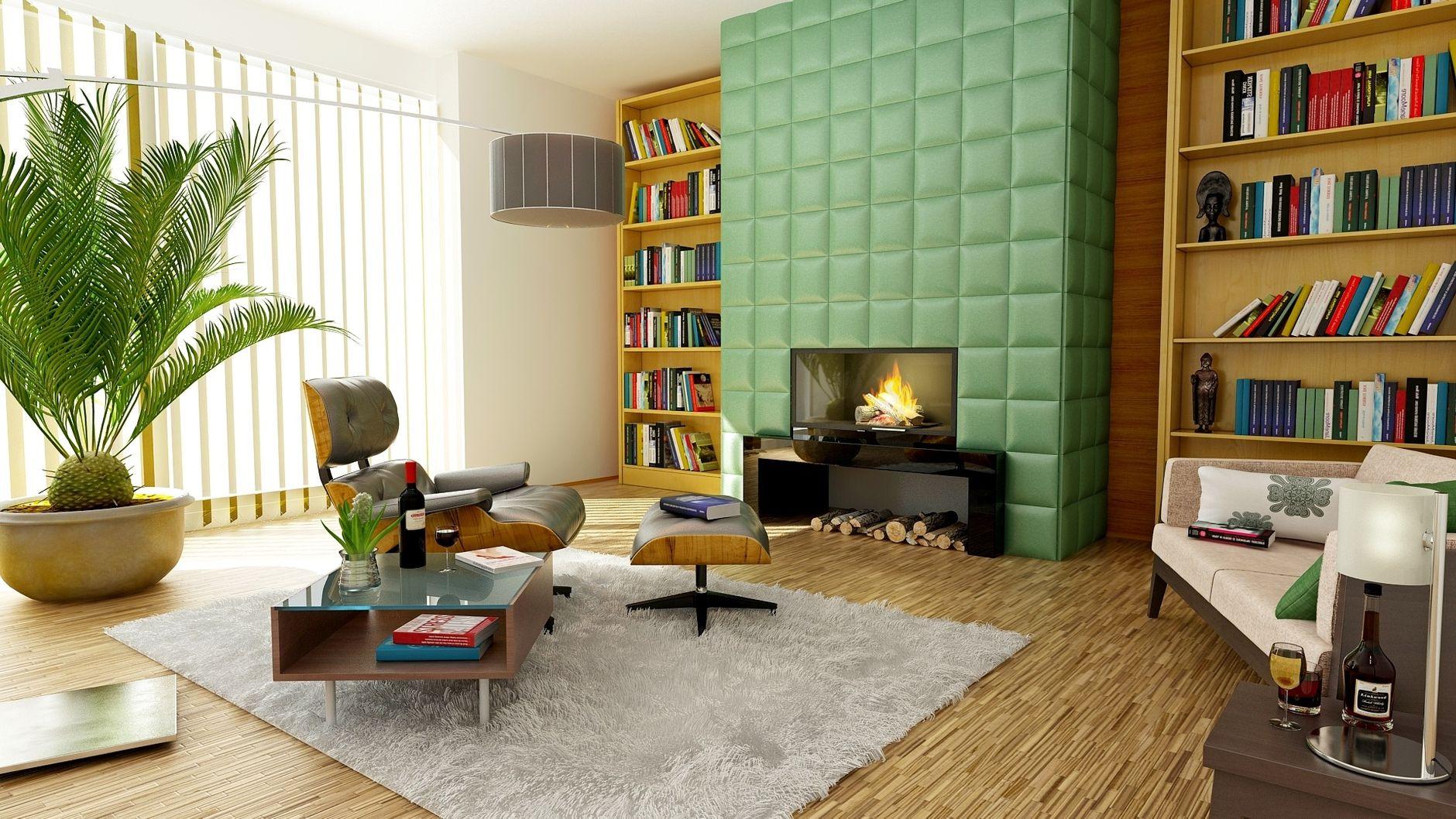
For most of the year a fireplace is unlit, and what sits in it is on display like anything else in the room. That is the first reason to choose gas logs with care. Sets are cast from real timber and hand painted, and the differences between them are the differences between kinds of firewood: the deep bark and split faces of oak, the pale papery skin of birch, the gray, wind smoothed limbs of driftwood, the charred look of a fire already half burned down. Under the logs sits the burner, hidden by sand or by a bed of glowing ember material, and the pattern of the burner decides the shape of the flame. Some owners skip logs entirely for a tray of fire glass or river stones, which suits a spare plaster or tile surround. The grate and any andirons finish the picture. We help you match all of it to the face of the fireplace, so a rustic stack is not sitting in a sleek opening or the reverse.
Scale is the second thing. A set that is too small for the firebox looks like a campfire in a cave, with bare brick showing on both sides. A set that is too large crowds the opening, licks flame toward the lintel and leaves no room for the air the burner needs. The firebox narrows toward the back, so its width has to be taken at the rear wall as well as at the mouth, along with how deep and how tall it is, and the maker's table for each set then says which length belongs. The flame matters as much as the logs. The sets we fit are vented, meaning the chimney carries their exhaust away exactly as it carried wood smoke. They burn with a tall, loose, yellow fire, the closest thing to wood that gas can do, and they give the room modest warmth, most of it radiant. Owners who want serious heat from the same opening are better served by a gas insert, and we say so at the start.
What fitting involves
Because a vented set relies on the chimney, the chimney comes first. A flue that has carried wood smoke for decades is swept, and the firebox and flue are inspected, so the new set is not lit beneath a blocked or broken passage. The damper has to stay open whenever the burner is on, and a small clamp is fixed to it so that it can never be shut fully by mistake. Gas has to reach the firebox. Many Orange fireplaces already have a capped stub and a key valve from the days of gas log lighters, and where they do not, a line has to be run before the set can go in. The burner is connected and every joint is tested for leaks. Controls range from a plain key and a match to a pilot kit with a safety valve and a handheld remote, and the choice changes both the price and how often the fire actually gets used.
The logs go on last and they go on by the book. Every set comes with a placement diagram, and it is not a styling suggestion. Logs positioned by eye end up in the flame, where they blacken, smell and throw soot onto the surround you were trying to show off. We set them to the diagram, dress the ember bed, light the set and watch it through a full warm up. There is no list price for gas logs on this site, since the figure follows from choices only you can make: the style and length of set, the kind of control, and whether a gas line is already in place. You get that figure in writing before anything is ordered. A gas insert, for comparison, costs $2,800 to $5,650 fitted. One last point in favor of gas: the South Coast AQMD's winter bans on wood fires do not apply to it. Start on the contact page with the rough size of your firebox and the look you have in mind.
How Esposito Chimney Care Handles the Job
Measured First
Opening, hearth and clearances taped ahead of any drawing
Samples in the Room
Stone, tile and plaster judged in your own daylight
Figure on Paper
Scope and price agreed ahead of the first cut
Lit at Handover
Each fireplace run through a full burn while you watch
Gas Logs, town by town
Where a town carries its own page for this service, the card below opens it, with notes on local housing, weather and the fireplaces found there. Remaining towns are reached from the areas list.
CA
Orange: Gas Logs
Old Towne, on the National Register as a district from 1997 on, rings the 1888 Plaza, and there we draw mantels and tile to suit a period parlor. Citywide, 64% of homes predate 1980, so firebox and flue get checked before fresh facing goes on.
Read the town pageCA
Santa Ana: Gas Logs
Floral Park's period revival living rooms, 1920s and 1930s work, were composed around the hearth, so tile, plaster and mantel profile get matched to the house. Citywide 13% of homes predate 1950, and brick that old is inspected before it is dressed.
Read the town pageCA
Garden Grove: Gas Logs
Rural until after 1933, the city has only 4% of its homes from before 1950, so its hearths postdate the Long Beach earthquake. Plain mid-century brick like that is a willing canvas for a stone or plaster face, a slimmer mantel or a gas insert.
Read the town pageCA
Brea: Gas Logs
Oil paid the bills when Brea incorporated in 1917, yet most housing is newer than the 1950s. Gas and factory-built units warm the stucco homes of Olinda Ranch and La Floresta, so remodeling there means a surround, mantel and hearth sized to the listed unit, never a rebuilt firebox.
Read the town pageOther Work We Take On
Chimney Sweep
Brushing the flue from firebox to cap, so a newly faced fireplace keeps its plaster, tile and mantel clear of soot marks.
Open page →Chimney Inspection
Level 1 and Level 2 inspections that settle whether firebox and flue are fit to carry a new surround or insert.
Open page →Chimney Repair
Structural fixes to flue, crown and brickwork, carried out ahead of new facing so finishes never get torn out later.
Open page →Fireplace Inspection
A room-side survey of firebox, throat, hearth and mantel clearances, measured and photographed ahead of design decisions.
Open page →Fireplace Repair
Firebrick, refractory panels, dampers and cracked hearth slabs renewed, giving a remodel a sound box to be built around.
Open page →Chimney Level 2 Inspection
Recorded camera footage of the entire flue, the survey we want in hand ahead of an insert, a conversion or a sale.
Open page →Chimney Cap Installation
Stainless and copper caps picked for the roofline as much as the flue, mesh-sided and fixed down against wind.
Open page →Chimney Flashing Repair
New step and counter flashing where stack meets roof, ending the brown stains that ruin plaster above a mantel.
Open page →Chimney Masonry Repair
Repointing, brick replacement and color-matched mortar that keep an exposed stack handsome as well as weather-tight.
Open page →Chimney Rebuilds
A new stack above the roof, drawn to suit the house: matching brick, stone veneer or a lighter framed chase.
Open page →Fireplace Cleaning
Firebox, glass doors, grate and surround cleaned by hand, lifting smoke shadow from stone, tile and brick faces.
Open page →Gas Fireplace Cleaning
Burner, pilot, ember bed and glass serviced, so a gas fire shows a clear flame behind a spotless pane.
Open page →Gas Fireplace Repair
Ignition, valve, switch and remote faults found by meter on gas fires, with part and price named beforehand.
Open page →Fireplace Remodel
Refacing drawn for the room in stone slab, handmade tile, smooth plaster or reclaimed brick, with mantel and hearth proportioned to match.
Open page →Fireplace Inserts
Gas and wood inserts matched to the opening and framed by a trim surround that suits the finished face.
Open page →Pellet Stove Repair
Service and parts for pellet stoves, covering auger drive, hot-rod igniter, exhaust and room fans, sensors and the board.
Open page →Wood Stove Repair
Door seals, glass, firebrick, baffles and flue collars renewed on freestanding stoves, cast iron and plate steel alike.
Open page →Chimney Seismic Retrofit
Bracing, strapping or a lighter upper stack for older brick chimneys, planned so the fireplace below keeps its character.
Open page →Chimney Crown Repair
Cracked chimney crowns resurfaced or recast with a projecting edge, ending drips that stain the fireplace face below.
Open page →Dryer Vent Cleaning
Lint cleared from the entire dryer duct, wall connection to outdoor hood, with airflow read at the start and finish.
Open page →Chimney Liner Installation
Stainless flue liners matched to the appliance, the piece that lets an insert or stove conversion work in an older chimney.
Open page →Chimney Leak Repair
Stains on the chimney breast traced to the point of entry outdoors, then repaired there and not merely painted over.
Open page →Chimney Waterproofing
Clear breathable repellent for exposed brick stacks, keeping color and texture while winter rain is shed.
Open page →Chimney Damper Repair
Seized, warped or missing dampers freed, rebuilt or replaced by a cable-operated lid at the flue top.
Open page →Chimney Chase Cover
Rusted chase tops on factory-built chimneys replaced in stainless, creased to shed rain and cut to your measurements.
Open page →