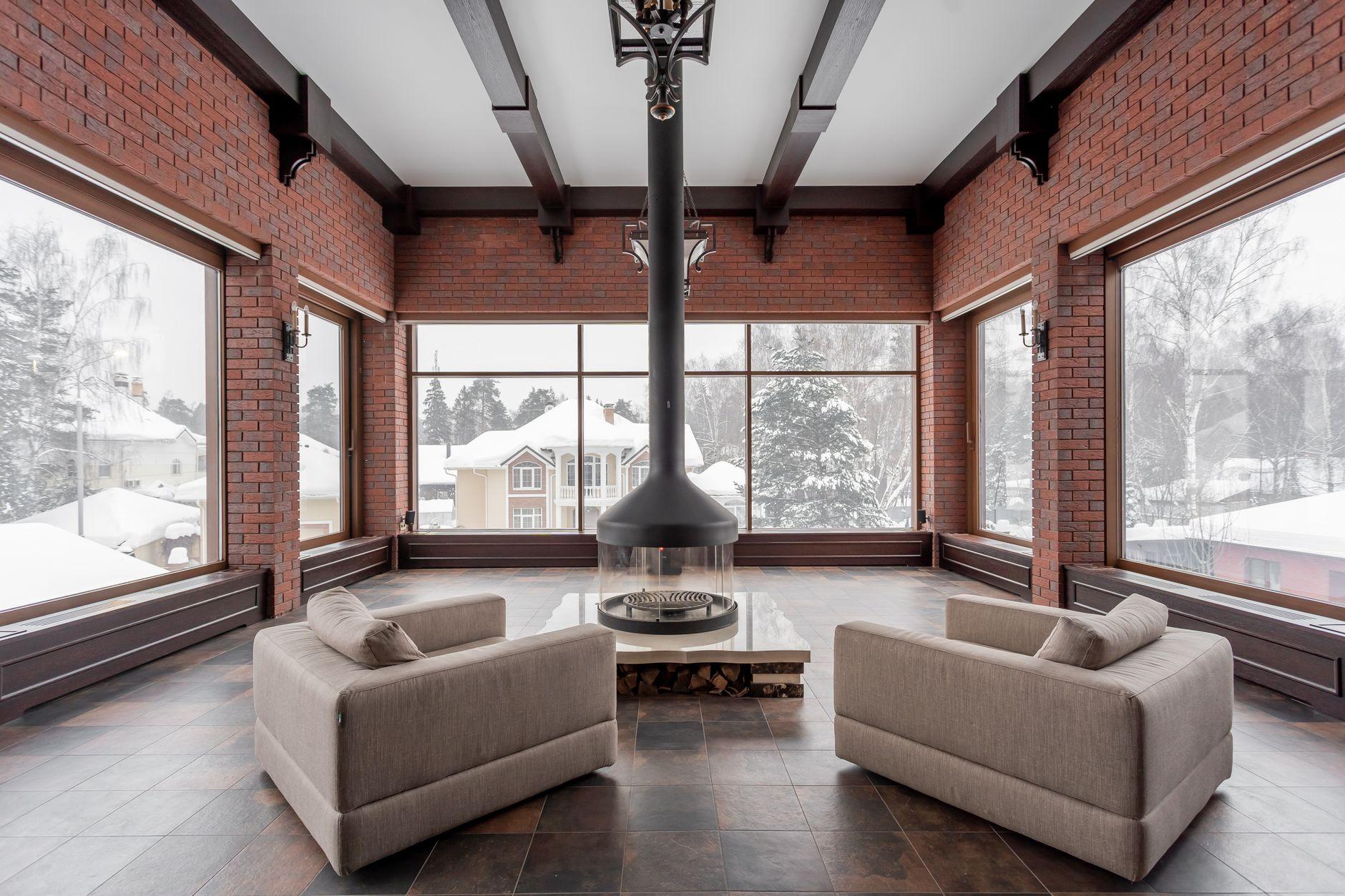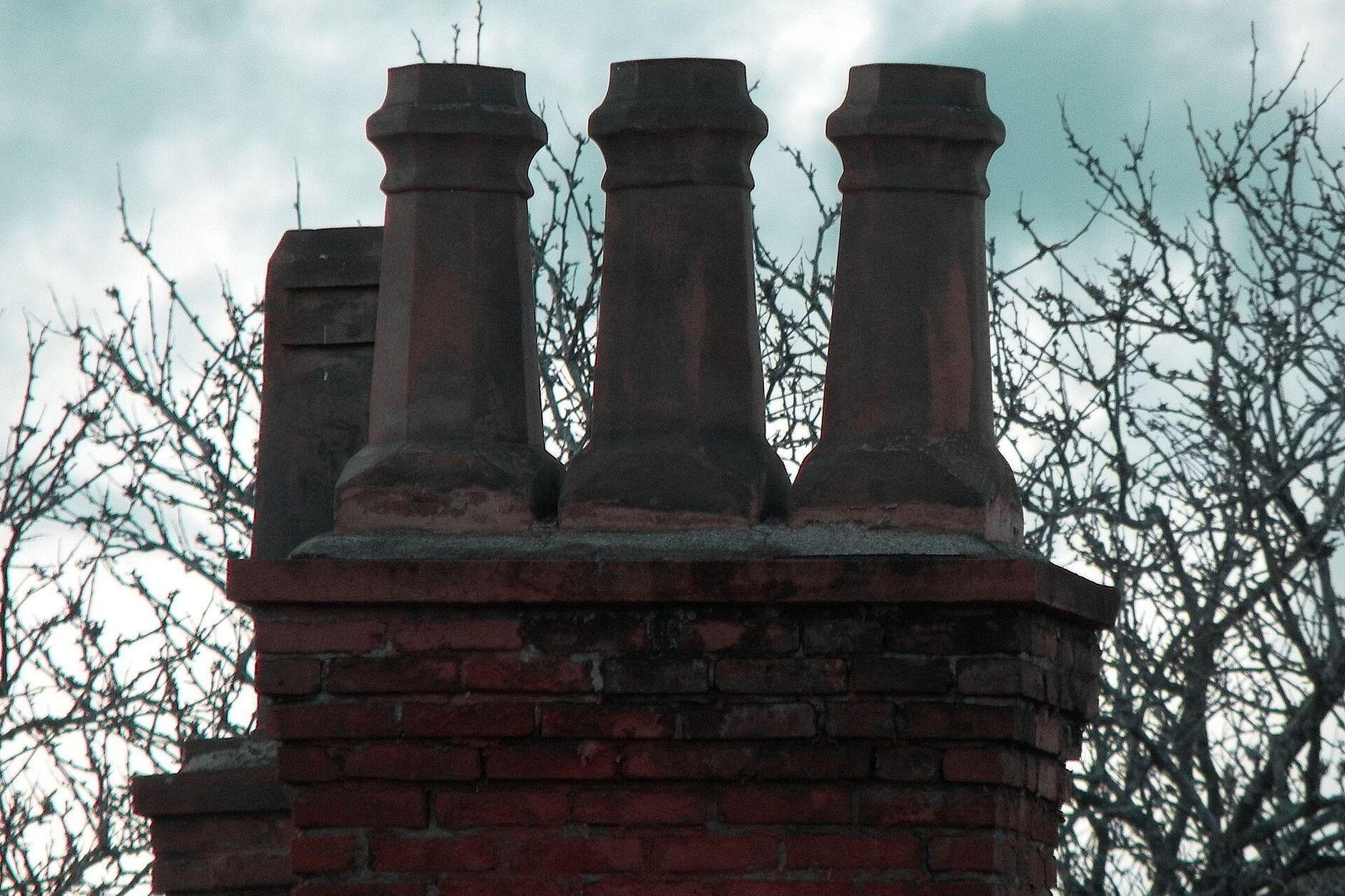
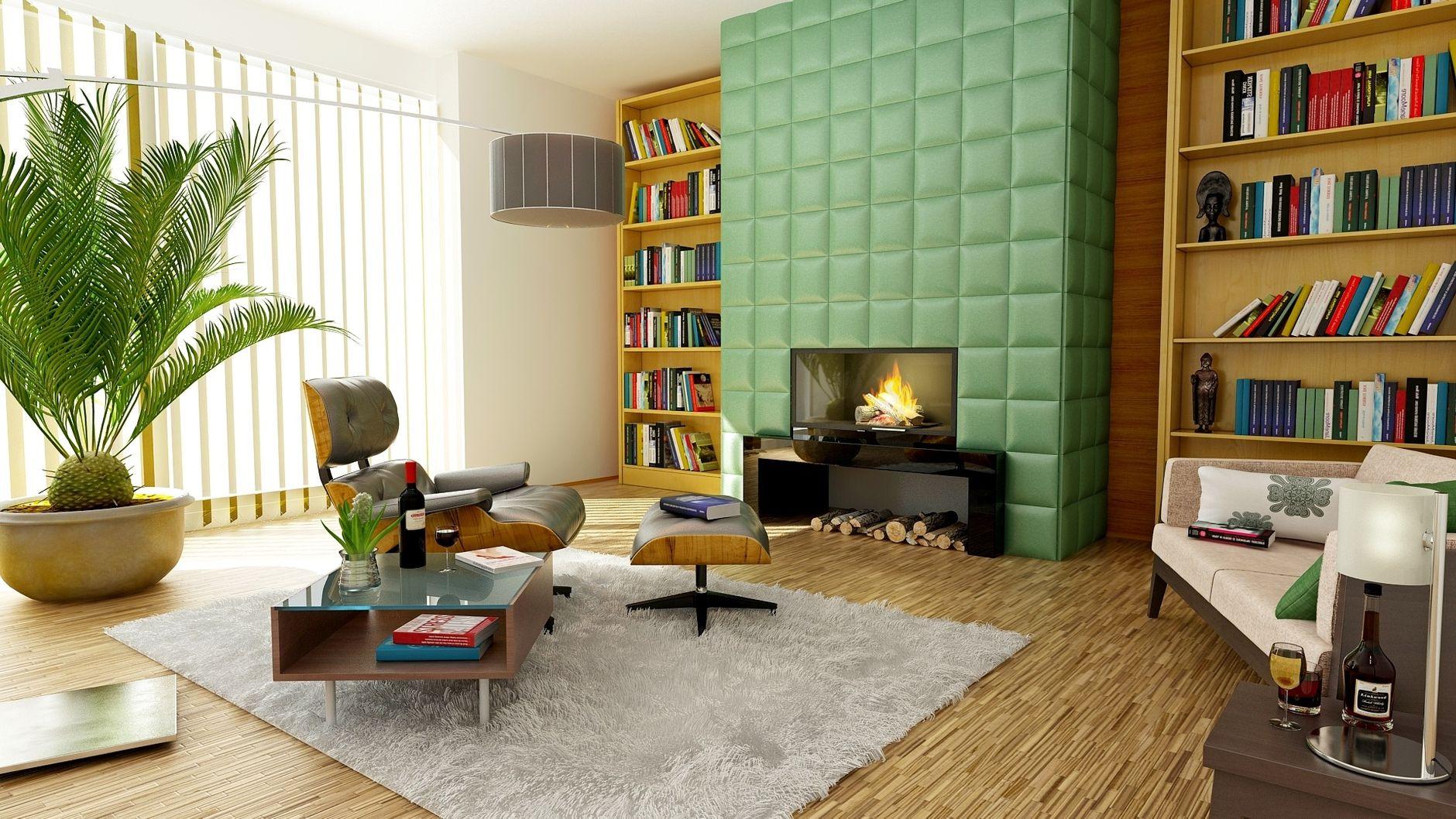
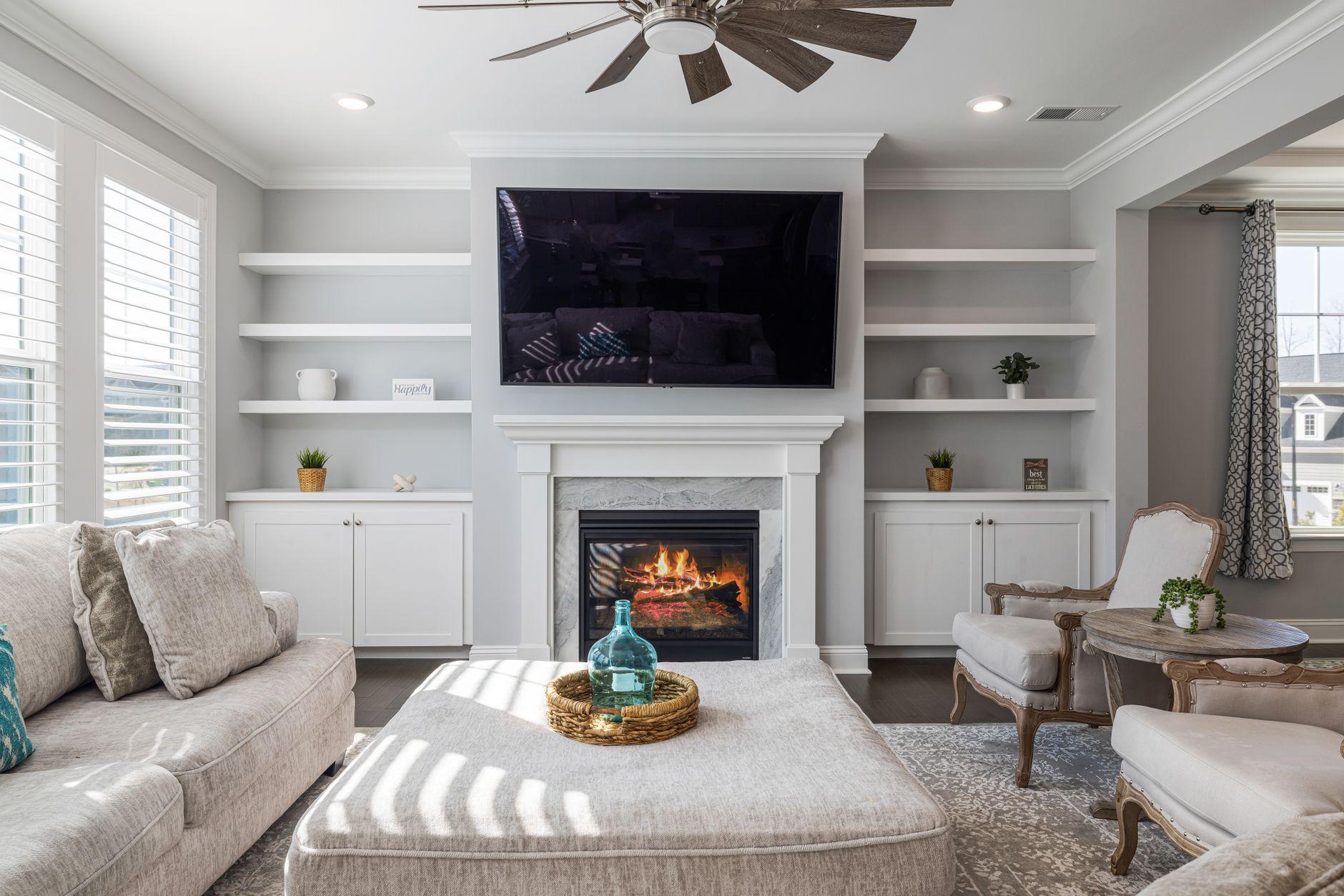
The usual order for a fireplace remodel is to fall for a photograph, pick a stone, hire a setter and discover the flue afterwards. The costly version of that story ends with new porcelain being cut out so a liner can be fitted. The cheap version starts with a camera.
For remodels in Orange we put the Level 2 inspection ahead of the design, and it costs $395. What follows is what that visit does for a project, and which rules it brings to the surface before they can spoil a drawing.
What the standard says about changing a fireplace
NFPA 211 is the document chimney work in this country is measured against. It grades inspections in three tiers and ties the middle tier to change: a different appliance, a different fuel, a new liner, or a sale. A remodel nearly always includes one of the first three. Putting in a gas insert is a new appliance. Converting from wood to gas logs is a new fuel. Even a face-only remodel tends to be the moment an owner starts using a fireplace that sat idle for years, on a flue nobody has examined.
The $165 visual inspection has its place: a hearth that is lit every winter and that nobody plans to alter. It does not see inside the flue, and the inside of the flue is where a remodel budget is made or lost.
What the camera and the tape bring back
The camera travels the flue from the firebox to the cap and records the whole length. Its footage answers the structural questions. Are the clay tiles whole? Are the joints between them tight? Is there a liner at all? Has an old chimney fire left its mark? The technician also goes into the attic where the stack passes through it, and onto the roof for the crown, the cap and the flashing.
On a remodel visit a tape measure and a notebook come along with the camera, and the design questions are answered during the same visit. The width, height and depth of the firebox. Whether the back wall tapers. The size of the flue, which governs how large an opening it can serve. The depth of the hearth and what it rests on. Where the nearest wood is, including framing hidden behind the present face. Whether gas and power reach the fireplace. Each of those numbers either permits the design you have in mind or redirects it while redirecting is still cheap.
Rules that shape the drawing
Three sets of rules touch a remodel, and all three are easier to meet on paper than in stone.
The first is clearance. Building code and appliance manuals fix how near wood trim, a mantel shelf or wall framing may come to the opening, and how far the hearth must extend in front of it. A design that ignores them can look perfect and fail.
The second is the air district. Orange falls under the South Coast AQMD, whose Rule 445 stops wood burning on winter days the district declares no-burn. That rule also keeps wood-burning fireplaces out of newly built homes. For a house that already stands, the practical effect is on fuel choice: an owner who wants a fire on any evening tends to pick gas, and that decision reshapes the opening.
The third is the city. Gas piping, a new appliance and structural changes to a chimney generally need a permit and a visit from the city's inspector, while refinishing a face generally does not. Our permits page lays out the usual pattern.
When demolition opens the wall
There is a bonus for projects that strip the old face. NFPA 211's third tier covers parts of a chimney that can only be seen by removing building material, and it is seldom ordered, because nobody wants a wall opened just for an inspection. A remodel opens the wall anyway. With the old brick veneer or paneling gone, the outside of the firebox, the lintel and the framing around them are in plain view for a short while. We photograph them then, add the pictures to the file, and deal with anything charred, cracked or too close before the new finish seals it in again.
Who uses the report
You do, to decide whether the project is a new face, a new face with repairs, or a conversion. The designer does, because the measurements are the base of the drawing. The stone or tile setter does, to know what the finish will be fixed to. Later an appraiser, a buyer or an insurer may ask what was done to the fireplace and when, and a dated report with flue footage answers more convincingly than a receipt for tile.
If you are buying a house in order to remodel it, the same inspection serves the purchase. Our page on home sale inspections covers how that works when you cannot attend.
What an inspection costs against what it saves
Set $395 beside the price of the finish. Stone or porcelain for a full-height face, with the labor to set it, is the largest line in most remodels, and it is the line that gets torn out when a liner, a lintel or a firebox repair turns up afterwards. The inspection fee is small next to one wasted slab. It is also the only part of the project whose price is known before anyone has measured anything.
What the inspection leads to
After the visit a project goes one of three ways. The flue is sound, and design proceeds on the measurements. The flue needs work, and the repair is priced beside the remodel so both are decided together. Or the firebox suits an insert better than an open fire, in which case fitting a gas insert costs $2,800 to $5,650 and the face is designed around its frame. Book the Level 2, and mention the remodel in the message so the visit is planned with the tape as well as the camera.
The Level 2 inspection page lists what the visit includes, and fireplace remodel describes the work that follows. To get the inspection on the calendar ahead of your designer's first sketch, write to us through the contact page.
Ready to Turn This Into a Plan?
Esposito Chimney Care surveys the firebox and flue, draws the new face to scale, and prices the work on paper. Crews travel out of Orange to Santa Ana, Garden Grove, Brea and the towns between.