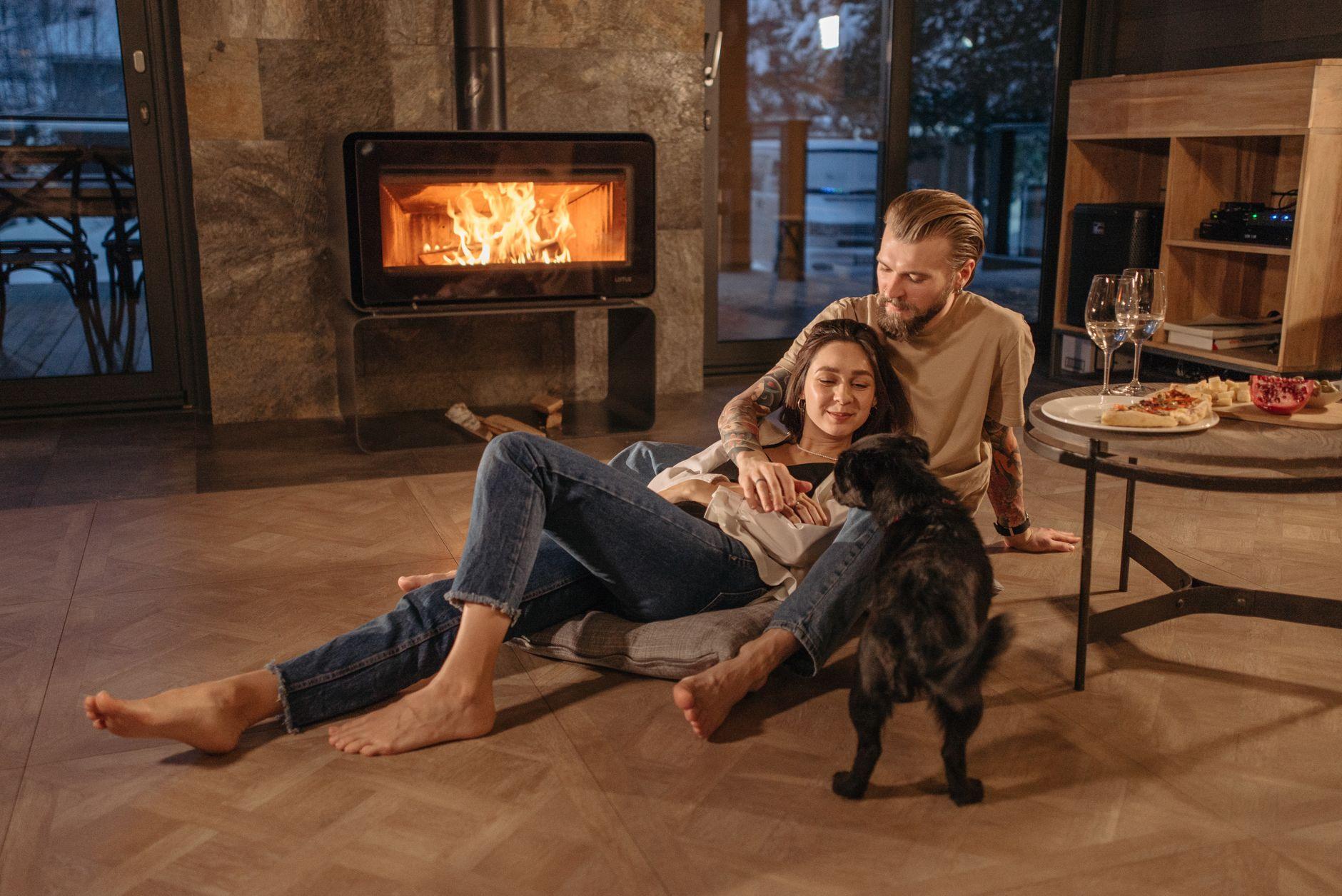
Stand in front of your fireplace with the lamps off and picture the fire you want. If it is a flame seen through an open arch, with the full depth of the firebox behind it and nothing between you and the logs, you are describing a gas log set. If it is a room that stays warm with the hall door shut, you are describing a gas insert. Most of the choice is in that one picture, and what remains is in the chimney.
We fit both across Orange, and the two jobs differ in look, in heat, in what they ask of the flue and in price.
How each one looks in the room
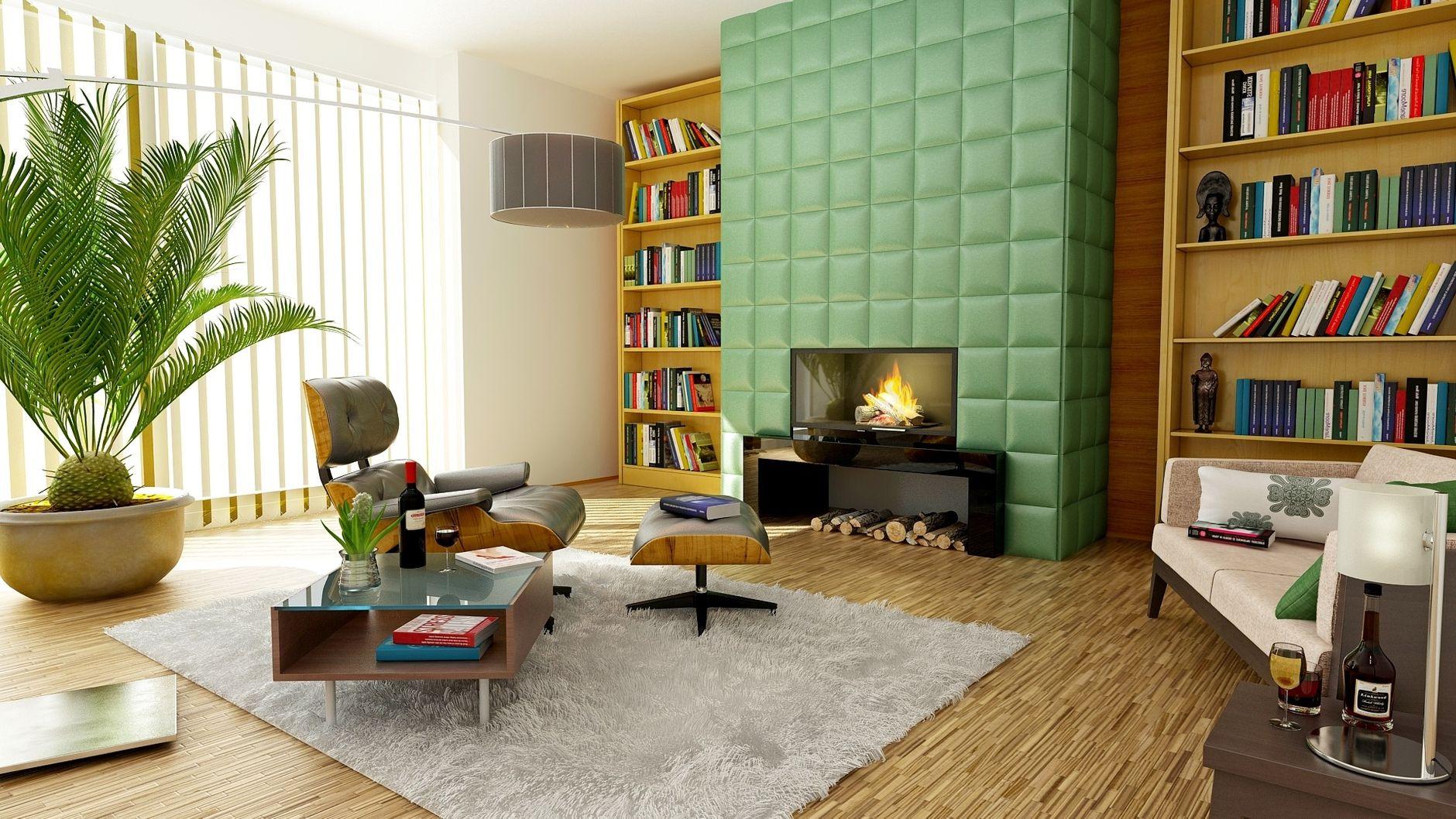
A log set keeps the fireplace a fireplace. Ceramic logs sit on a burner in the open firebox, the flames have room to wander, and the brick back wall is part of the view. Because that back wall is on show, its condition counts. Stained or patched firebrick behind a new log set looks exactly like what it is, and many owners have the firebox relaid in new brick, in a herringbone or running pattern, as part of the same job.
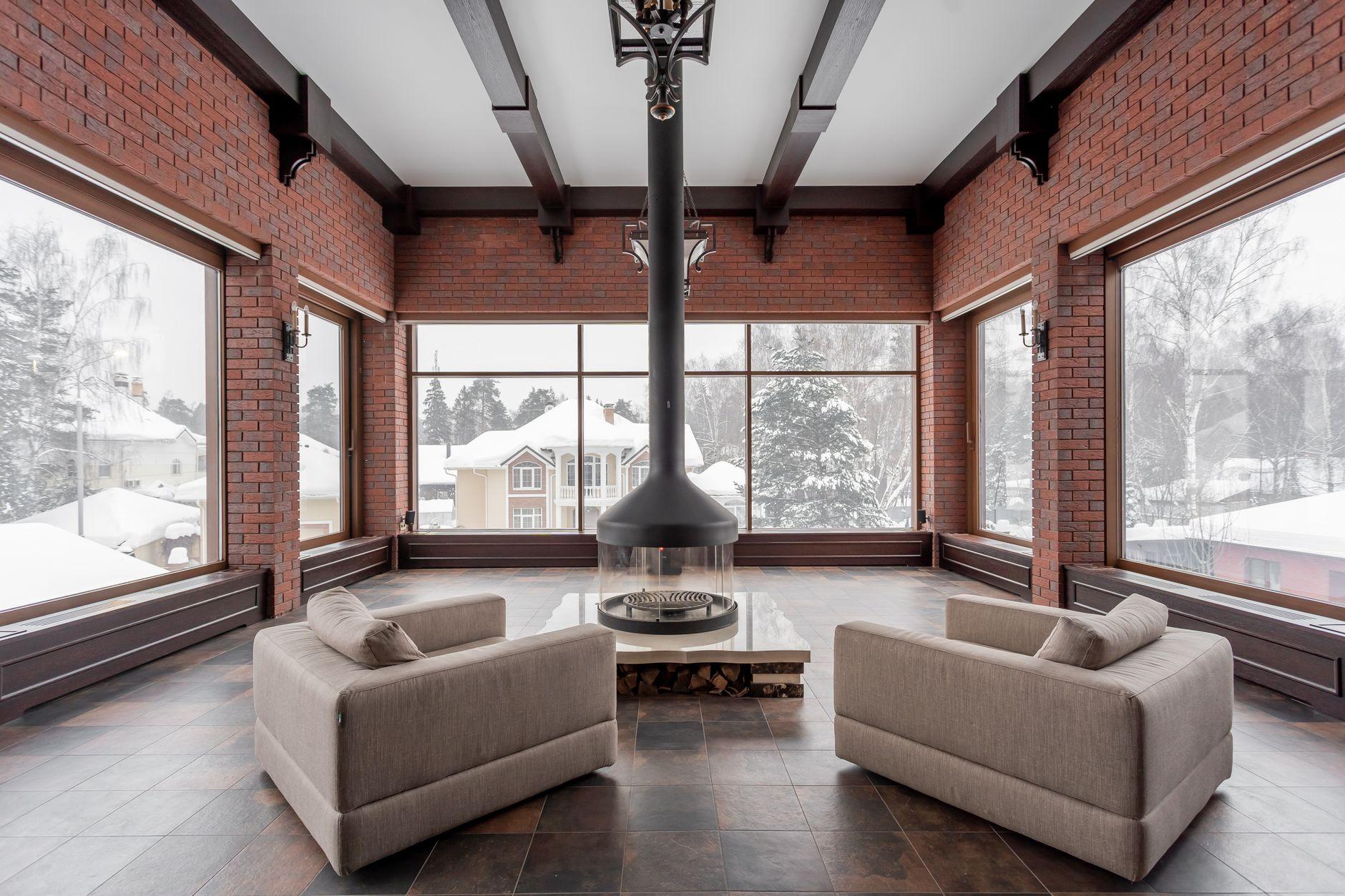
An insert changes the composition. A steel box with a glass front slides into the opening, and a flat surround panel closes the gap to the brick. The fire becomes a framed picture. Older designs had heavy black borders and brass louvers. Current ones are nearly all glass, with a thin frame that can be matched to iron hardware or left to disappear. On a remodel the stone or plaster is drawn to meet that frame, so the insert has to be chosen before the face is designed.
How each one heats
An open log set is decoration that gives off some warmth. The flue must stay open whenever gas is burning, so the damper is fixed where it cannot close, and from then on the chimney is an open path to the sky in every season. Much of the heat rises through it.
An insert is a heater. The glass seals the fire off from the room, combustion air comes down one pipe from the roof and exhaust leaves by another, and a fan moves room air around the hot steel shell. The room warms, and no house air is drawn up the chimney. Our heating season is short and evenings cool quickly once the sun is down, so a single insert often carries the main living space.
What each one asks of the chimney
A log set uses the flue as built, so the flue has to be sound for its full height. If its history is unknown, a Level 2 camera inspection at $395 settles that before a burner is ordered.
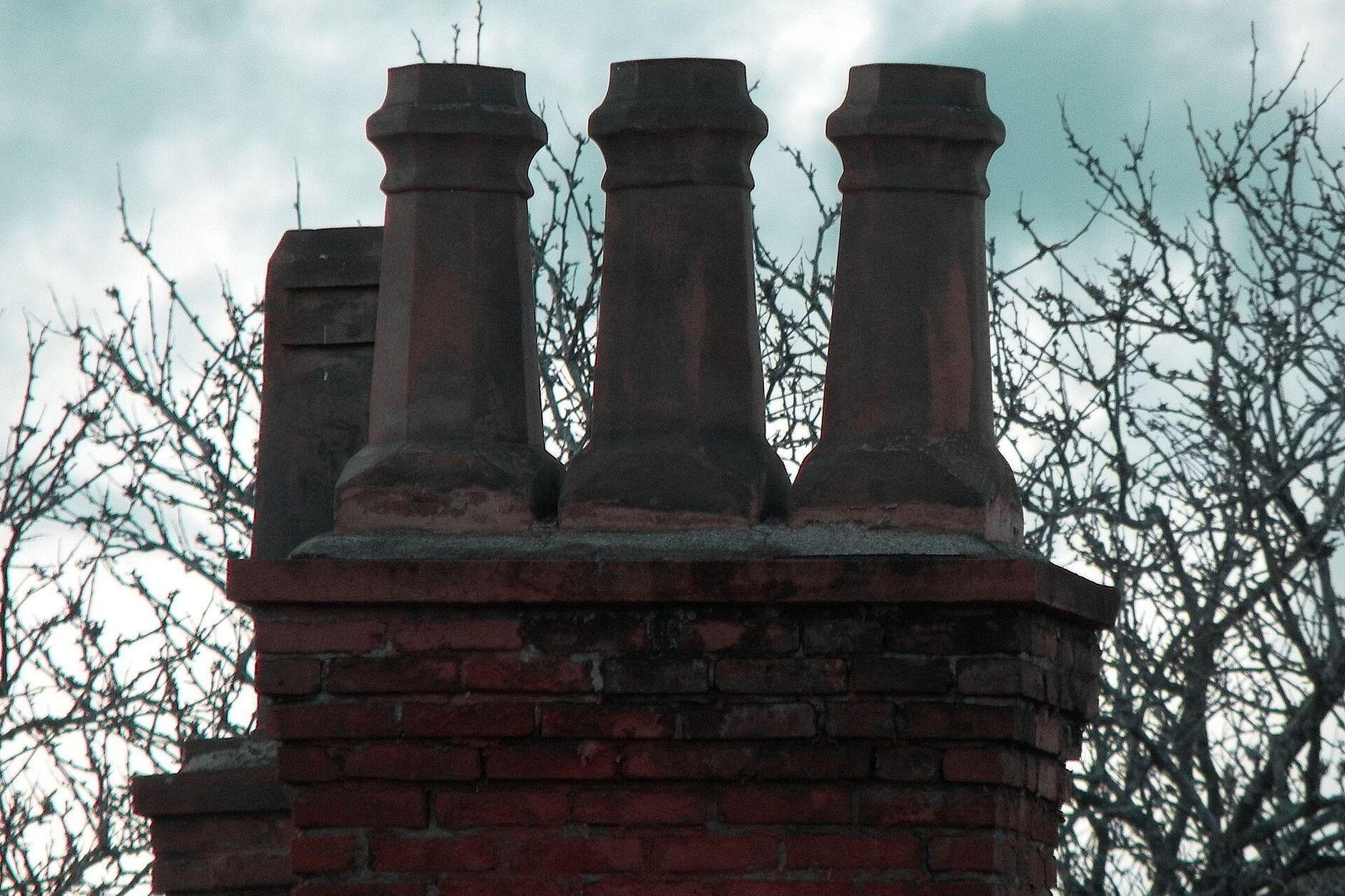
An insert brings its own pair of slim metal liners, which run inside the old flue to a new termination at the top. Cracked tiles matter less as a result. The firebox matters more, because the box must physically fit: a shallow firebox, a low lintel or a tapered back wall each rule out some models. On a factory-built steel fireplace the list is shorter still, since only units approved for that fireplace may go in.
The figures
| Option | Price |
|---|---|
| Gas insert, fitted to a firebox the house already has | $2,800 to $5,650 |
| New sealed gas fireplace in a room without one | $4,500 to $9,050 |
| Camera inspection before either | $395 |
Gas log sets have no list price with us. The figure follows the size of the set, the burner and its controls, and whether a gas stub already reaches the firebox, so it is written once we have seen the fireplace. A log set generally lands well below an insert.
Where a figure falls inside the insert range comes down to the size of the unit, the height of chimney the liners must climb, the gas run and the finish of the surround.
No-burn days
Both options burn gas, so both sit outside the winter no-burn days that the South Coast air district declares for wood fires under Rule 445. For a household in Orange that has been skipping fires on the coldest, stillest evenings, either choice ends that. It is among the commonest reasons we are asked to convert a wood fireplace at all.
Which one suits which house
Choose logs when the fireplace is mainly something to look at, the firebox is handsome or about to be made so, and heat is a bonus. A 1920s bungalow with a small arched opening and original tile is often spoiled by a steel frame and flattered by a modest log set.
Choose an insert when the room is cold, the opening is wide and plain, or the flue has seen better days. A ranch house with a long, low brick fireplace usually takes an insert well, and the surround panel can be sized to tidy the proportions of an opening that was always too wide for its height.
Choose a new sealed fireplace when the room you actually sit in has no hearth. It vents through an outside wall or the roof and needs no masonry at all.
Living with each one
A log set asks little: a yearly visit to clean the burner and check the flue above it. Its running cost is the gas that goes up the chimney, which is why most owners light it for an evening and not for a season.
An insert has more parts, among them a fan, a glass gasket and a control board, and it wants the same yearly visit. In return it gives back most of the heat it makes, and on a remote or a thermostat it behaves like any other heater in the house.
What settles it
Three facts decide between them: whether the firebox can take the insert you like, whether the flue passes inspection for an open flame, and whether gas is already at the hearth. One visit answers all three. Ask us to measure for both, and say in the message whether a gas line reaches the firebox and whether the fireplace is brick or a steel factory-built unit.
The service pages for fireplace inserts and gas logs go further into each. If the wider face is changing too, read how a remodel quote is built. When you want figures for your own fireplace, use the contact page.
Ready to Turn This Into a Plan?
Esposito Chimney Care surveys the firebox and flue, draws the new face to scale, and prices the work on paper. Crews travel out of Orange to Santa Ana, Garden Grove, Brea and the towns between.